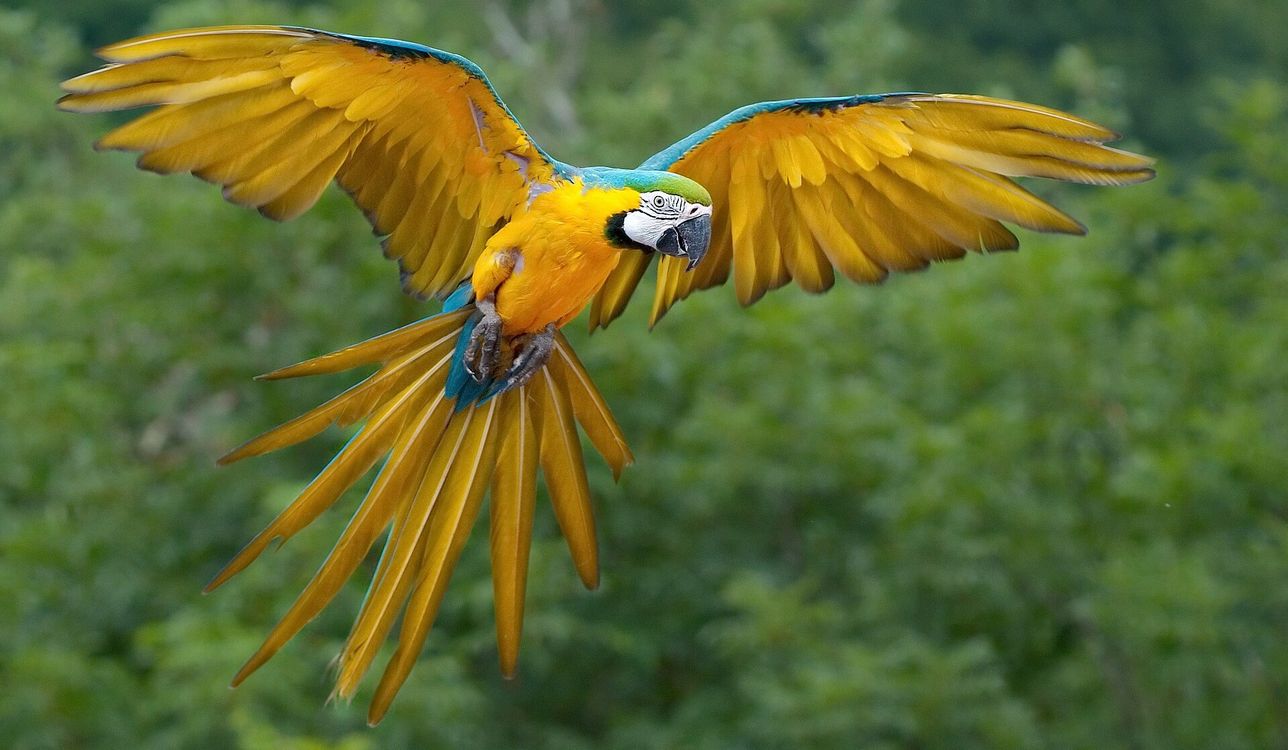
After 200 years, the blue-and-yellow macaw has returned to the Atlantic Forest ecosystem. A captive breeding program helped reintroduce these macaws to the forests.
Not only serving as a pop of bright color in the forest, the blue-and-yellow macaw is a symbol of summertime, fertility, and healing. Residents that live near the forest, Tijuca, use this colorful macaw for logos, clothing, and souvenirs.
In the 19th century, the forest was destroyed for commodities like coffee and charcoal. Macaws were not the only animal driven away. Howler monkeys, the red-rumped agouti, and the yellow-footed tortoise all faced and continue to face the issue of deforestation.
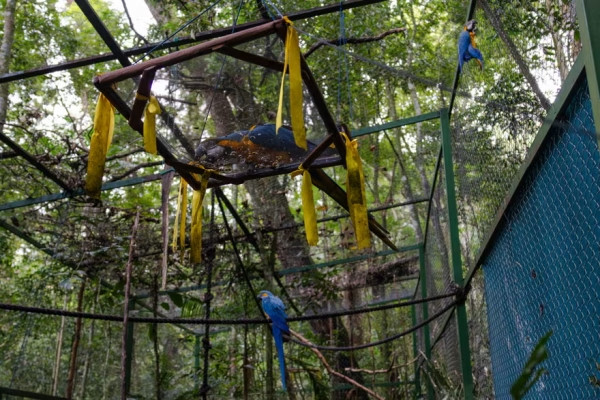
All these animals have brought tourists to the park’s trails, but none have enraptured the cariocos, (people from Rio) more than the macaw. Because of this, people from all around the world are thrilled with the news of the newly released macaws.
“They are so magnificent. It’s no surprise that all the visitors are constantly asking how they can see them,” Viviane Lasmar, director of Tijuca national park, told the Guardian.
Refauna is the name of the organization working on the release. They released the birds for a period of 15 days earlier this year but have, rounded them back into the aviary (nonprofit zoo) with plans for a possible permanent departure in September when food is plentiful.
Sources:
www.theguardian.com/environment/2026/apr/09/a-dream-come-true-brazils-blue-and-yellow-macaws-return-to-rio-after-200-years